 ultimate-guide
Benefits of Drinking Freshly Roasted Coffee: 2026 Guide
Table of Contents
- Why Freshly Roasted Coffee Tastes and Works Differently
- The Coffee Degassing Process: Why CO2 Matters for Your Cup
- Antioxidants and Chlorogenic Acid in Freshly Roasted Coffee
- How to Tell if Coffee Is Stale: 5 Signs to Check
- Coffee Storage Best Practices for Lasting Freshness
- Fresh Coffee, Metabolic Health, and Your Daily Energy
- How Freshly Roasted Coffee Fits a Slower Morning Ritual
- Frequently Asked Questions
Last Updated: September 28, 2026
Why Freshly Roasted Coffee Tastes and Works Differently
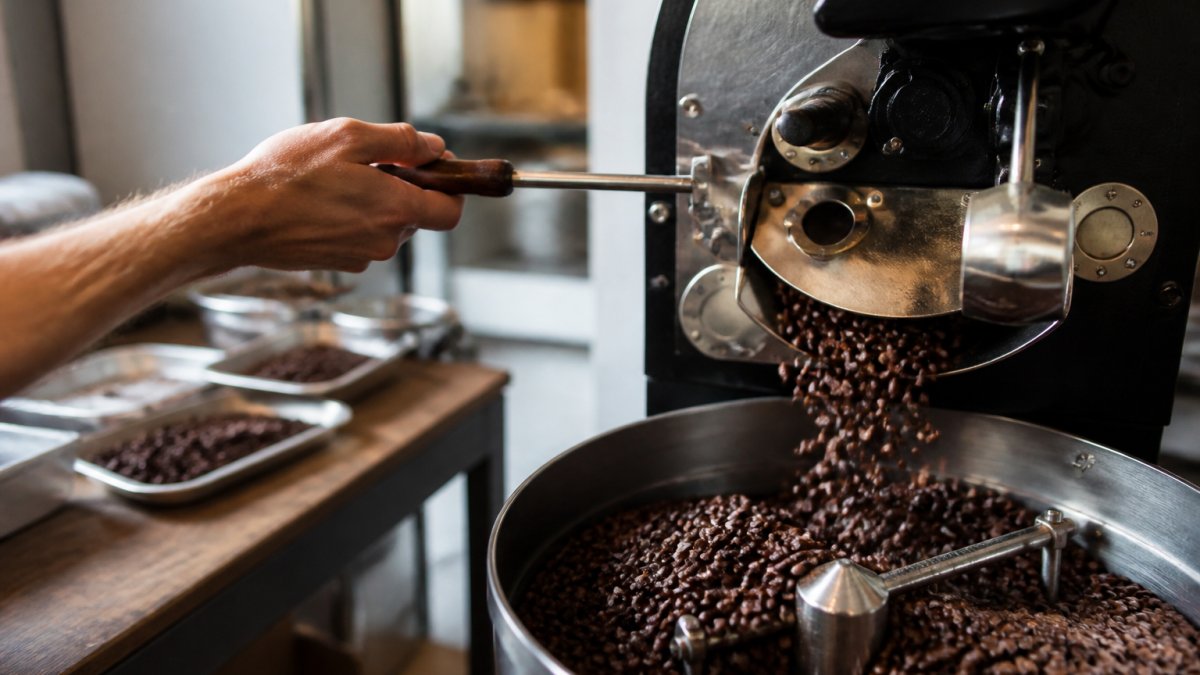
Freshly roasted coffee is coffee that has been roasted within roughly the past two to three weeks and has not yet lost the volatile compounds that carry its aroma and flavor. The difference between a bag roasted this week and one that has sat on a shelf for months is not subtle. It is the difference between a record that still has its highs and lows and one that has been played through a worn stylus a hundred times.
The benefits of drinking freshly roasted coffee start with what survives in the cup. Volatile oils, the aromatic compounds responsible for everything you smell before you taste, begin degrading the moment beans leave the roaster. Oxidation does the rest. At Rhythm Industry Records Coffee Bar, we roast to order and ship within hours, precisely because that window matters more than most drinkers realize.
What most guides miss is that freshness is not one quality. It is two competing processes running at once: flavor compounds breaking down, and carbon dioxide escaping. Understanding both is how you get a better cup.
The Coffee Degassing Process: Why CO2 Matters for Your Cup
The coffee degassing process is the release of carbon dioxide trapped inside beans during roasting. Roasting generates CO2 inside the bean structure, and that gas escapes slowly over days and weeks after the roast date. This is why a bag of fresh coffee puffs up, and why a sealed valve bag hisses when you open it.
Brew too soon and the escaping CO2 disrupts extraction. Water cannot contact the grounds evenly when gas is pushing back, so you get an uneven cup: sour in places, bitter in others. Wait too long and the same beans have lost the aromatics you paid for.
How Long to Wait Before Brewing After Roast
The practical window depends on your brew method:
- Espresso: 7-14 days rest. Fresh beans produce erratic, gushing shots.
- Pour-over and drip: 3-7 days. Enough rest for stable extraction, still peak aroma.
- French press and cold brew: 2-5 days. Coarse grind tolerates younger beans.
- AeroPress: 4-10 days. Forgiving across the range.
Many roasters ship within a day or two of roasting, which means your coffee often arrives mid-degassing. That is intentional. It gives you a few days of rest before the cup hits its stride.
Antioxidants and Chlorogenic Acid in Freshly Roasted Coffee
Coffee's antioxidant content comes largely from chlorogenic acid, a polyphenol that survives roasting in varying amounts depending on how dark the roast goes. Chlorogenic acid and its related compounds, caffeic acid among them, are the reason coffee shows up in discussions of free radicals and oxidative stress. But the story is more nuanced than "lighter roast equals more antioxidants." The roasting process also creates new compounds, like melanoidins, that have their own antioxidant activity. So the total antioxidant capacity of coffee is a balance between what is preserved and what is created.
Freshness protects these compounds. Polyphenols oxidize along with the oils, so a stale bean has less to offer on this front. Freshly ground beans preserve more of the nutritional profile than pre-ground coffee, because grinding exposes far more surface area to oxygen. Storage matters here too. Whole beans kept in an airtight container away from light retain their antioxidants far better than grounds sitting in a paper bag on the counter.
How Roast Level Changes the Nutritional Profile
Roast level shifts the balance. Lighter roasts generally retain more chlorogenic acid because less heat exposure means less degradation. Dark roasts trade some of that for deeper flavor compounds and lower acidity.
| Roast Level | Chlorogenic Acid | Acidity | Flavor Character | Acrylamide Level |
|---|---|---|---|---|
| Light | Highest retention | Bright, pronounced | Floral, fruity, tea-like | Lower |
| Medium | Moderate retention | Balanced | Chocolate, caramel, nutty | Moderate |
| Dark | Lowest retention | Low | Smoky, bittersweet, bold | Higher |
Neither end is "better." A dark roast may suit a sensitive stomach; a light roast may deliver more polyphenols per cup. The right choice depends on what you want from the drink.
How to Tell if Coffee Is Stale: 5 Signs to Check
Knowing how to tell if coffee is stale saves you from brewing a cup that never had a chance. Staleness is not always obvious from the bag, so check these signs:
Uganda - The Great Lakes Groove →
- No bloom when you brew. Fresh coffee releases a thick, bubbling foam when hot water hits it. Flat, quiet grounds mean the CO2 is gone.
- A flat, papery smell. Fresh beans smell sweet and complex. Stale beans smell like cardboard or dry hay.
- Oily, dull surface on dark roasts. Some oil is normal, but a slick, greasy sheen on beans that should be matte signals oxidation.
- Sour or bitter with no middle. Stale coffee often tastes hollow, missing the sweetness that balances acidity and bitterness.
- No roast date on the bag. If the package only shows a best-by date, you cannot verify freshness. Treat it as unknown.
That last point matters more than people think. A roast date tells you exactly how much degassing time has passed. A best-by date tells you almost nothing.
Coffee Storage Best Practices for Lasting Freshness
Coffee storage best practices come down to four enemies: oxygen, light, heat, and moisture. Defeat all four and your beans stay drinkable for weeks rather than days.
Store whole beans in an opaque, airtight container. Keep it in a cool, dark cupboard, not next to the stove or on top of the fridge. Grind immediately before brewing. Every one of these steps buys you time.
Freezing, Vacuum Sealing, and the One-Way Valve
Freezing works, but only if you do it right. Portion beans into airtight bags, squeeze out the air, and freeze them before the roast is more than a couple of weeks old. Take out only what you need and let it come to room temperature before grinding. Repeated freeze-thaw cycles ruin beans faster than room-temperature storage.
Vacuum sealing removes oxygen, which slows oxidation dramatically. It pairs well with freezing for longer-term storage.
The one-way valve on most coffee bags is not decoration. It lets CO2 escape without letting oxygen in. That is why you should keep beans in the original valve bag if you plan to use them within a couple of weeks, and why squeezing all the air out of a valve bag is a wasted effort.
Fresh Coffee, Metabolic Health, and Your Daily Energy
Coffee's effect on energy comes from caffeine. Caffeine blocks adenosine receptors in the brain, which delays the onset of drowsiness and sharpens alertness.
Freshness plays a supporting role that is easy to overlook.
The Microbiome Connection: A New Angle on Freshness
One area where freshly roasted coffee may have an edge that few articles discuss is the gut microbiome. Coffee contains soluble fiber and polyphenols that reach the colon largely intact, where gut bacteria ferment them into short-chain fatty acids and other metabolites. These compounds are associated with reduced inflammation and improved gut barrier function. While research on coffee and the microbiome is still emerging, the pattern is consistent: the polyphenols that survive in fresh coffee are the same ones that feed beneficial bacteria.
How Freshly Roasted Coffee Fits a Slower Morning Ritual
Frequently Asked Questions
How long should you wait to drink freshly roasted coffee?
Most freshly roasted coffee hits its best drinking window 3 to 14 days after the roast date. During the first few days, the coffee degassing process releases carbon dioxide, which can make espresso pull unevenly and pour-over bloom aggressively. Waiting a few days lets the CO2 escape so water extracts flavor compounds more evenly. For drip or French press, you can brew sooner, but the cup improves noticeably after day three. Buying from a roaster that ships within hours of roasting means your bag arrives close to that peak window.
Does freshly roasted coffee contain more antioxidants than stale coffee?
Freshly roasted coffee retains more of its antioxidant compounds, particularly chlorogenic acid and other polyphenols. Over time, exposure to oxygen causes oxidation, which degrades these compounds and the volatile oils responsible for aroma. Coffee that sits on a shelf for months loses both flavor and some nutritional value. Choosing freshly ground, small-batch beans and storing them properly slows that decline. Roast level also plays a role: lighter roasts generally preserve more chlorogenic acid than dark roasts, though dark roasts still deliver antioxidants.
What is the 'degassing' process and why does it affect coffee quality?
Degassing is the release of carbon dioxide trapped inside coffee beans during roasting. The beans continue releasing CO2 for days or weeks after roasting. This matters because trapped gas interferes with water contact during brewing, causing uneven extraction and a flat or sour cup. It also affects packaging: bags need a one-way valve so CO2 can escape without letting oxygen in. Coffee that has fully degassed and then sat too long has lost its peak aromatics. The sweet spot is usually a few days to two weeks post-roast.
How can you tell if your coffee beans are truly fresh?
Start with the roast date on the bag, not a best-by date. Fresh beans smell sweet and complex when you open the bag; stale beans smell flat, papery, or like cardboard. When you pour hot water over fresh grounds, they should bloom and bubble as CO2 escapes. Stale beans barely react. You can also check the surface: fresh beans have a slight sheen from volatile oils, while older beans look dry and matte. Finally, taste matters most: fresh coffee tastes bright and layered, while stale coffee tastes dull or bitter.