 how-to
How Long Does Roasted Coffee Stay Fresh? A 2026 Guide
Table of Contents
- How Long Does Roasted Coffee Stay Fresh? The Timeline From Roast Date to Stale
- How to Tell if Coffee Is Stale: 5 Sensory Signs
- How to Store Coffee Beans: Airtight, Dark, and Cool
- How Long Does Ground Coffee Stay Fresh? (It's Shorter Than You Think)
- Can You Freeze Coffee Beans? Yes, With These Protocols
- Degassing vs. Aging: Why Freshly Roasted Coffee Needs a Rest
- Varietal and Roast-Level Differences in Shelf Life
- How Brewing Method Changes Your Perception of Freshness
- Frequently Asked Questions
Last Updated: October 7, 2026
How Long Does Roasted Coffee Stay Fresh? The Timeline From Roast Date to Stale
Roasted coffee stays fresh for about two to four weeks after the roast date, with peak flavor between day four and day fourteen.
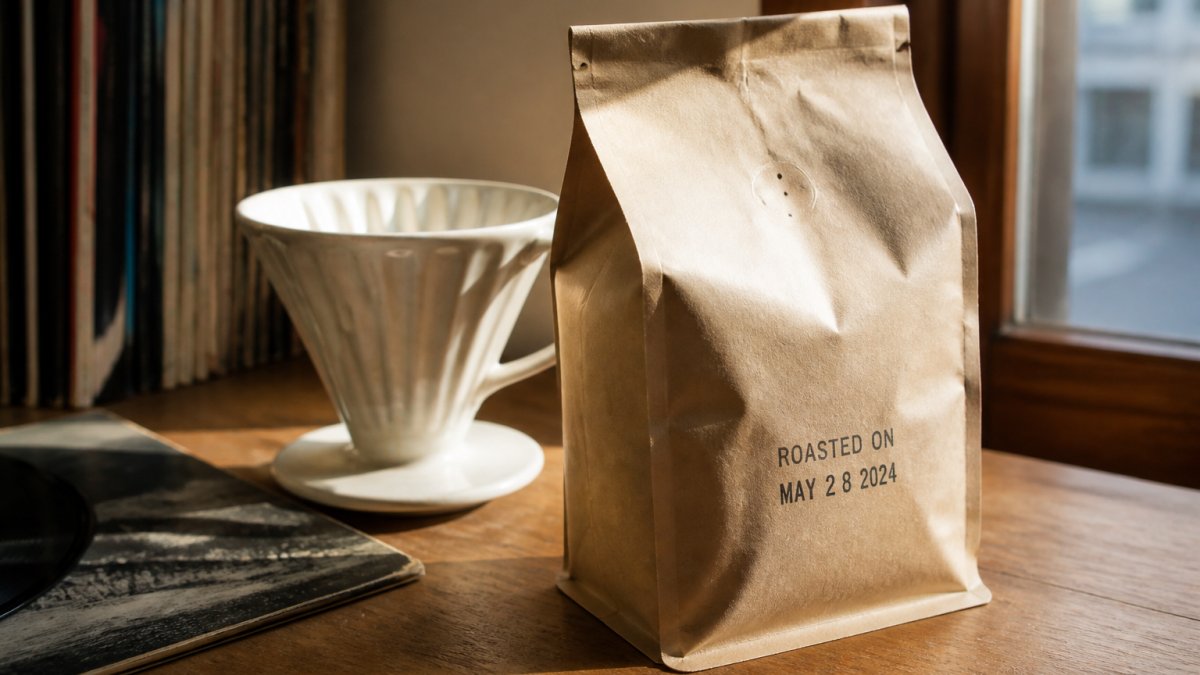
At Rhythm Industry Records Coffee Bar, we roast coffee to order and ship within hours. How long roasted coffee stays fresh depends on three things: how it was roasted, how it is stored, and how you brew it.
Here is the timeline most roasters work from:
- Days 1-3: Resting. Freshly roasted beans release carbon dioxide and taste flat or gassy.
- Days 4-14: Peak flavor. Aroma, sweetness, and acidity are all at their best.
- Days 15-28: Still good. Flavors soften, brightness fades, but the cup holds up.
- Beyond 4 weeks: Stale. The coffee tastes dull, papery, or cardboard-like.
That timeline assumes whole beans in a sealed bag. Grind them, and the clock speeds up fast.
How to Tell if Coffee Is Stale: 5 Sensory Signs
You can tell if coffee is stale by smell first, taste second. Stale beans lose their aroma long before their looks, which is why so many people keep drinking flat coffee without realizing it. Check for:
- Smell the bag. Fresh coffee hits you with a strong, sweet, roasty scent. Stale coffee smells faintly of cardboard or nothing at all.
- Watch the bloom. Pour hot water over fresh grounds and they puff up and bubble. Flat, lifeless grounds mean the carbon dioxide is gone.
- Taste for flatness. Fresh coffee has brightness and a clean finish. Stale coffee tastes dull, chalky, or slightly papery.
- Check the oils. Dark roasts develop a shiny surface as oils migrate out. That is normal early on. Oils that turn sticky and rancid-smelling signal old coffee.
- Look at the crema. In espresso, fresh beans pull a thick, caramel-colored crema. Thin, pale crema points to age.
None of these signs mean the coffee will hurt you. They mean it stopped being worth your morning.
For a deeper look at the sensory side, Specialty Coffee Association's research on coffee quality publishes useful guidance on what fresh coffee should taste like.
How to Store Coffee Beans: Airtight, Dark, and Cool
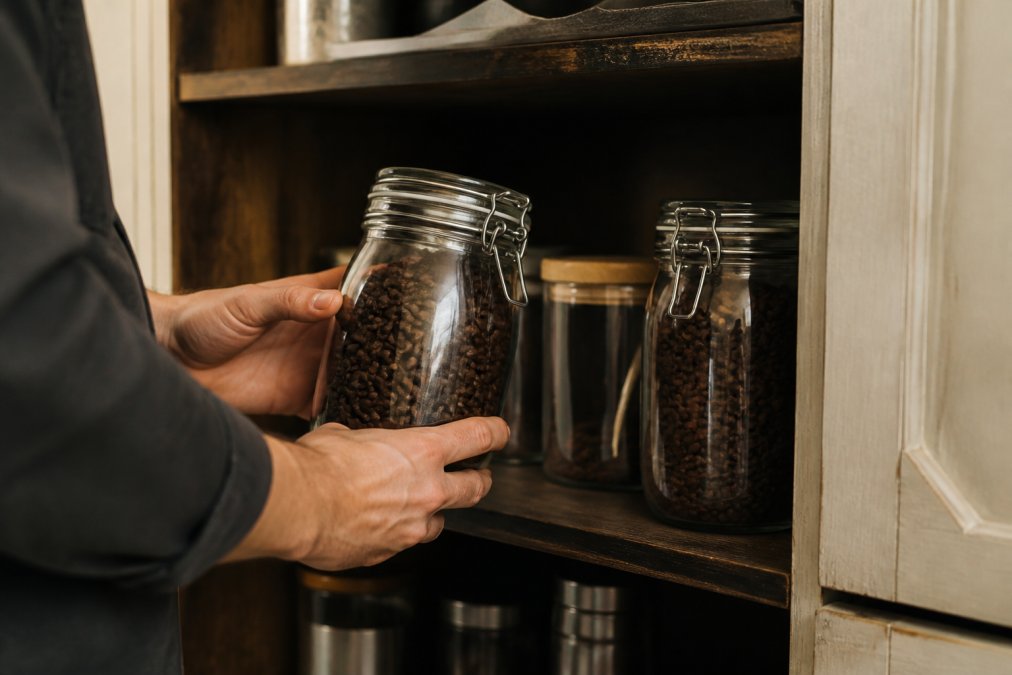
Most storage advice stops at "airtight, dark, cool." That is correct but incomplete, the real question is which container and location block oxygen, light, heat, and moisture.
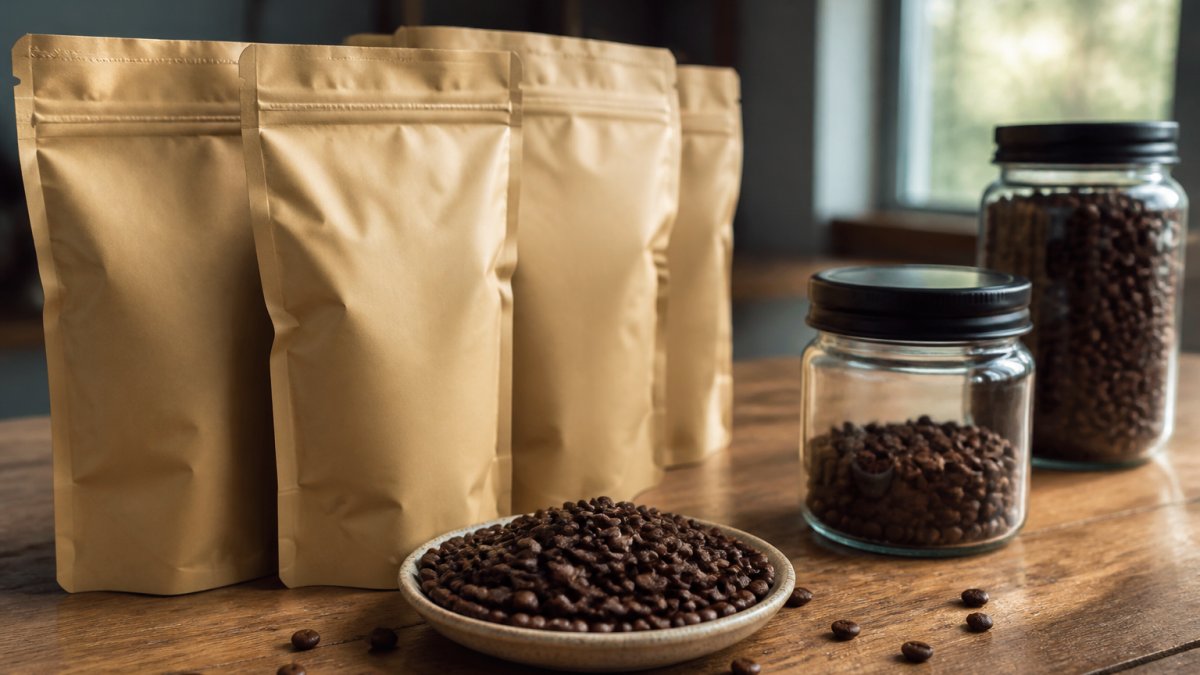
A one-way valve bag is the reference standard: the valve lets carbon dioxide escape so the bag does not balloon and stale, while the foil laminate blocks light and the seal blocks ambient air.
Location matters more than most people think:
- Oxygen drives oxidation, the primary staling reaction. Every time you open the container, you exchange the CO2-rich headspace for fresh air, which is why a large bag you open daily ages faster than the same coffee split into smaller portions.
- Heat accelerates every chemical reaction, including oxidation. A cupboard above the stove can run 10-15°F warmer than a pantry across the kitchen, roughly doubling the reaction rate. Keep beans away from the oven, the kettle, and direct sun.
- Moisture is the sleeper threat. Coffee is hygroscopic, pulling water from the air, so a humid kitchen or a fridge door exposes beans to condensation that dulls the cup and can promote mold.
- Light breaks down the oils that carry aroma. UV is the worst offender, which is why opaque packaging beats glass.
A practical home routine:
- Buy in two-week increments. A 12 oz bag you finish in 14 days beats a 2 lb bag you open for two months.
- Keep the coffee in its original valve bag until you open it, then transfer to an airtight canister or reseal the bag with the valve intact.
- Store in a cool, dark cupboard, ideally 60-70°F and away from the dishwasher, sink, and stove.
- Never store daily-use beans in the fridge. The humidity and food odors will find them.
- To extend past four weeks, use the freezer protocol below.
The freezer question, settled
Guides contradict each other on freezing, so here is the protocol that works. Freezing does not stop oxidation; it slows it dramatically. The failure mode is moisture and repeated thaw cycles, not the cold.
- Freeze fresh. Bag and freeze within 3-5 days of the roast date, once primary degassing has slowed. Freezing on day one traps CO2 that later causes pressure and condensation.
- Portion before freezing. Split into single-week portions so you thaw only what you will brew, 5-7 days of beans per portion for a single daily drinker.
- Vacuum seal or use a valve bag with the air pressed out. Vacuum sealing is the gold standard because it removes the oxygen that drives staling. Without a sealer, a zip-top freezer bag with the air squeezed out and the original valve bag inside is a workable second best.
- Label with the roast date and freeze date. Peak quality holds for 4-8 weeks in a home freezer, with acceptable quality out to about 3 months.
Do this and frozen coffee can taste nearly as good as fresh. Skip the sealing or the full thaw and you get freezer burn, a dull, papery flavor no brewing method can rescue.
How Long Does Ground Coffee Stay Fresh? (It's Shorter Than You Think)
Ground coffee stays fresh for roughly one to two weeks, and often less. Grinding exposes far more surface area to oxygen, so aromatics escape within days rather than weeks, the biggest reason we push whole bean.
You can slow the decline by transferring grounds to an airtight container immediately after opening, keeping that container in a dark, cool cupboard, and buying only what you will use within two weeks.
Can You Freeze Coffee Beans? Yes, With These Protocols
You can freeze coffee beans, and it works well when you do it right. Freezing slows oxidation and can hold peak flavor for a month or more. The catch is moisture and repeated thawing, both of which wreck the cup. Follow the freezer protocol above: freeze fresh, portion it out, seal it tight, thaw fully before opening, and never refreeze.
Shop Coffee →
Degassing vs. Aging: Why Freshly Roasted Coffee Needs a Rest
Degassing and aging are not the same thing, and confusing them leads people to brew too early. Degassing is the release of carbon dioxide right after roasting; aging is the slower breakdown of oils and aromatics over weeks.
That window is why roast-to-order matters: coffee roasted hours before shipping arrives right as it enters peak flavor, not after a week in a warehouse.
Varietal and Roast-Level Differences in Shelf Life
Not all coffee ages at the same rate, and the reason is chemistry, not marketing. Three variables shift the timeline: roast level, processing method, and bean density.
Roast level: why dark roasts fade first
During roasting, heat drives oils and aromatic compounds from the bean's interior to the surface. The darker the roast, the more migration happens, and surface oils oxidize faster and eventually turn rancid, the mechanism behind dark roasts tasting fresh for a shorter time. Light roasts keep more oils locked inside the bean's cellulose structure, slowing oxidation, and retain more volatile acids, citric, malic, phosphoric, that read as brightness.
A useful rule of thumb, consistent with what most roasters publish:
| Roast Level | Typical Peak Window | First Sign of Decline |
|---|---|---|
| Light | Days 5-18 | Fading acidity and florals |
| Medium | Days 4-14 | Softening sweetness |
| Dark | Days 3-12 | Surface oils turning rancid |
Processing method: the variable most guides skip
How the cherry was processed before roasting changes how the bean ages, because it changes what is left inside the bean.
- Washed coffees have the fruit mucilage removed before drying, leaving a cleaner, denser bean with fewer residual surface sugars. They age predictably, but their clarity makes fading flavors obvious.
- Natural (dry) coffees are dried with the fruit still on the bean, leaving more sugars and organic compounds that taste fruitier early, and oxidize faster because there is more material to react. Naturals often show age as a fermented, boozy note that tips into something muddled.
- Honey and anaerobic processes sit between these poles. Honey coffees retain some mucilage and age closer to naturals, while anaerobic coffees carry intense, volatile aromatics that fade quickly once opened, rewarding early drinking.
Bean density and varietal
Dense, high-grown beans have tighter cell structure and hold up longer than softer, lower-grown beans; Bourbon and Typica tend to be denser than some high-yield hybrids. Single origins show their age more clearly than blends, since there is nowhere for a fading note to hide, while blends are built for balance that masks decline.
What this means for your buying
- If you drink dark roasts, buy smaller amounts more often. The peak window is short and the decline is fast.
- If you love light single origins, you have a little more slack, but watch the acidity, that is the first thing to go.
- If you buy naturals or anaerobics, plan to brew them within the first two weeks. Their best qualities are also their most fragile.
- If you want a forgiving daily driver, a medium-roast blend is the most tolerant of imperfect storage and slower drinking.
The practical takeaway: match your buying cadence to the coffee, not to a generic two-week rule. A dark natural needs a different schedule than a light washed Ethiopian.
How Brewing Method Changes Your Perception of Freshness
Your brewing method changes how fresh coffee tastes, even from the same bag. Espresso is the least forgiving, it amplifies every flaw, so stale beans pull thin, sour, or bitter shots with weak crema. Pour-over is nearly as honest, since the bloom and clarity reveal how much carbon dioxide is left.
This matters at the end of a bag: if your coffee is past peak, switch to a gentler method rather than dumping it, a French press or cold brew can buy another week of enjoyable cups.
Coffee only stays at its best for a short window, and most bags spend too much of that window in transit. At Rhythm Industry Records Coffee Bar, we roast to order just hours before shipping, so your beans arrive near the start of peak flavor rather than the end.
Frequently Asked Questions
How long do roasted coffee beans stay fresh after roasting?
Roasted coffee beans hit their peak flavor window between 7 and 21 days after the roast date. After about 4 to 6 weeks, oxidation and degassing strip most of the aroma and nuance. Whole beans kept in an airtight, opaque container in a cool cupboard stay drinkable past that window, but the flavor profile flattens noticeably. For a sensory experience that matches what the roaster intended, brew within 2 to 3 weeks and buy from roasters who stamp the roast date, not just a best-before date.
How can you tell if roasted coffee has gone stale?
Five sensory signs give it away: the aroma fades to a flat, papery smell when you open the bag; the beans lose their sheen and look matte; the bloom collapses quickly when hot water hits the grounds; the brewed cup tastes hollow, woody, or rancid rather than sweet; and the finish turns thin and ashy. If you can smell the coffee from across the room in the first week but barely detect it by week five, oxidation has done its work.
Does ground coffee go stale faster than whole beans?
Yes, significantly. Grinding exposes far more surface area to oxygen, so pre-ground coffee loses its peak flavor in about 1 to 2 weeks, compared to 2 to 3 weeks for whole bean. The carbon dioxide that protects aroma escapes quickly once the bean is broken. If you buy pre-ground, transfer it to an airtight container the day you open it and brew within 7 days for the best cup. Whole bean plus a grinder at home gives you a much longer window.
Can you freeze coffee beans to extend freshness?
Freezing works well if you follow three rules: use an airtight, vacuum-sealed or one-way valve bag; freeze in single-use portions so you never thaw and refreeze; and grind the beans while still frozen to avoid condensation. Frozen at -18°C, whole beans hold their peak flavor for up to 2 months. Skip the fridge entirely: moisture, odours, and temperature swings there degrade beans faster than room temperature storage ever would.